
Indoor Bonsai Survival: Light, Water, and Reality Checks
A practical indoor bonsai framework for apartments: assess real light, avoid common watering mistakes, and set expectations for growth and leaf drop.
1) Light First: Measure Reality, Not Hopes
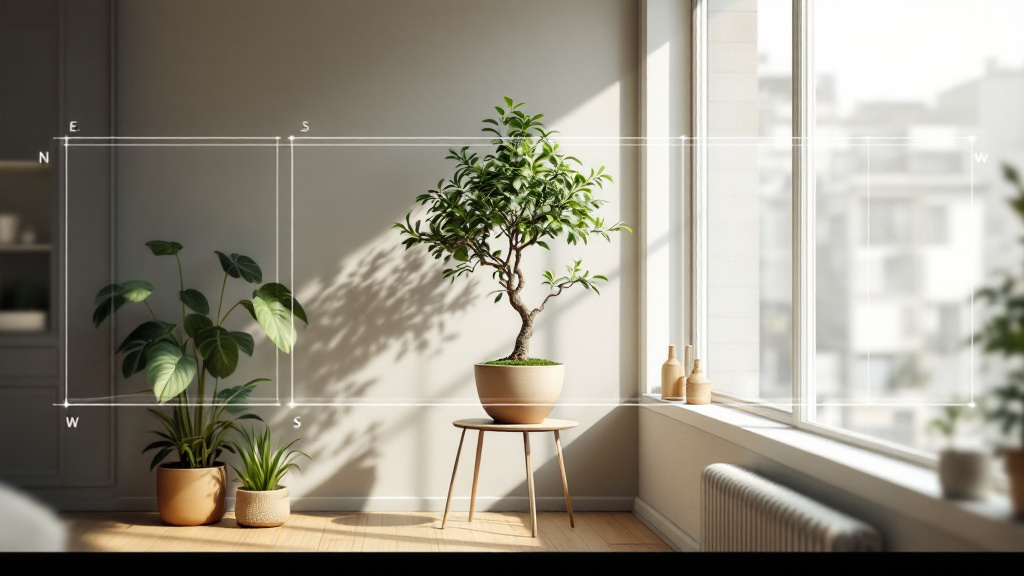
Keeping indoor bonsai alive in apartment gardening starts with one question: how much usable light does your tree actually get? Most “bright indoor light” is dim compared to outdoors, which slows growth and changes water needs. Before adjusting anything else, spend a day observing your best window—note how long direct sun hits the leaves and whether the tree sits behind a screen, sheer curtain, or deep overhang.
Use simple diagnostics. Stand where the bonsai sits at midday: if you can comfortably read small text without turning on a lamp, it’s “okay,” not “great.” South- and west-facing windows usually deliver the strongest light; east is gentler; north is typically lowest. Rotate the tree weekly so one side doesn’t stretch, and keep it close to the glass (without touching cold panes).
A helpful plant-care rule: when light goes down, watering frequency must go down too. If your indoor bonsai is struggling, assume low light is the root constraint—and fix placement before you change species, soil, or fertilizer.
2) Watering Without Guesswork: Avoid the Two Classic Errors
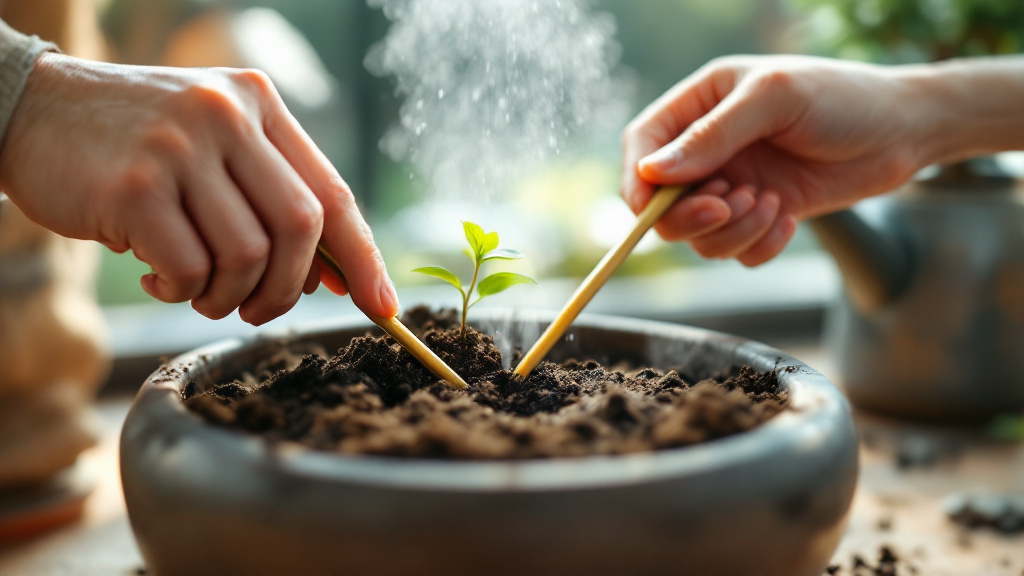
Most indoor failures come from watering patterns that don’t match apartment conditions. The two most common mistakes are (1) small sips too often and (2) deep soaking on a schedule. Small sips only wet the top layer, leaving dry pockets around roots; scheduled soaking ignores changes in light, temperature, and seasonal growth.
Instead, water by soil feel. Push a finger 1–2 cm into the soil (or use a chopstick test): if it feels cool and damp, wait; if it’s barely moist to dry, water thoroughly until it runs from the drainage holes. Then empty the saucer. This “soak-and-dry” rhythm is the backbone of reliable plant-care, especially for indoor-bonsai setups where evaporation is slower.
Leaf cues help you calibrate. Limp, dull leaves can mean thirst—but yellowing plus soft soil often signals overwatering and low oxygen. If you’re unsure, pause and reassess light and airflow before adding more water. Consistency beats intensity: match the watering approach to your actual window conditions.
3) Reality Checks: Growth, Leaf Drop, and When to Intervene
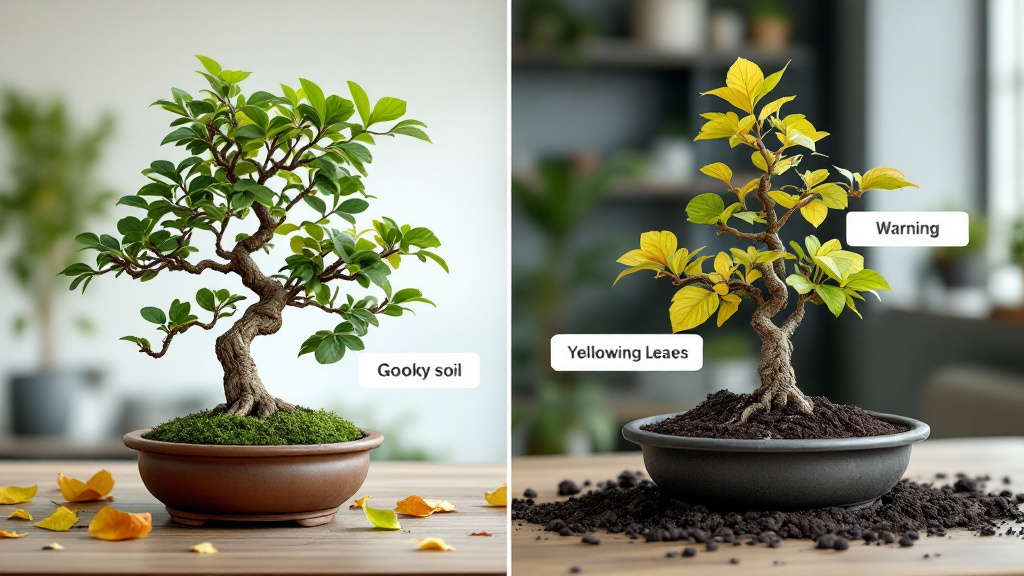
Healthy indoor bonsai don’t behave like houseplants on social media. Indoors, growth is slower, internodes can lengthen, and some leaf drop is normal after a move, a repot, or a big light change. For common beginner species (like ficus), expect a short adjustment period: the tree may shed older leaves while it rebuilds balance between roots, light, and water.
Use a simple decision framework: intervene when you see active decline, and wait when you see stable adjustment. Intervene if you notice spreading yellowing with persistently wet soil, a sour smell, pests, or crispy leaf edges plus bone-dry soil. Wait if the tree is losing a few leaves but the newest growth stays green and firm. In apartment-gardening, patience is often the missing tool.
Finally, set yourself up for repeatable success: keep notes on window orientation and watering intervals, and use reminders for seasonal shifts (winter low light is the classic trap). This is where guided plant-care systems—care cards, troubleshooting flows, and gentle follow-ups—turn a one-time purchase into confident long-term ownership.